
















Highway 63 was closed Thursday morning after a crash shut down traffic north of Columbia.
The crash happened north of the intersection with Range Line Street. Boone County Joint Communications sent an alert shortly before 9:30 a.m., and first responders closed the highway while crews responded. An ABC 17 News reporter later saw one northbound lane and both southbound lanes open shortly before 11:30 a.m.
Boone County Fire reported that no one was injured. Officials said they believed a semi-truck hauling lumber hydroplaned and overturned off the highway. A second semi-truck reportedly tried to stop and veered into the southbound lanes. Lumber was seen scattered near the overturned truck, and first responders helped move a flatbed trailer carrying tractors from the southbound lanes.
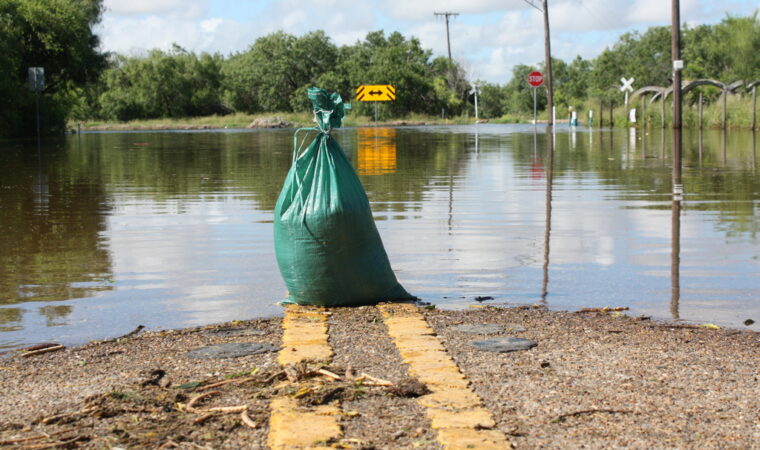
The roadway conditions raise serious safety concerns. A Boone County Fire official said this specific turn on Highway 63 tends to collect water after rainfall and that vehicles frequently hydroplane in that area when water rises over the roadway.
Public roads should be reasonably safe for the people who use them. When a stretch of highway repeatedly collects water, causes hydroplaning, or sends vehicles off the road, that should not be treated as an ordinary inconvenience. Standing water on a high-speed roadway can create an immediate danger for drivers, passengers, first responders, and everyone approaching the area.
Drivers still have a responsibility to slow down and adjust to rain, traffic, and changing road conditions. But roadway safety is not only the driver’s responsibility. Roads must be designed, maintained, and monitored so that known hazards are corrected before they cause serious harm. Proper drainage, warning signs, surface maintenance, speed control, and visibility all matter when a roadway has a history of weather-related crashes.
This crash shows why known roadway hazards should be taken seriously. If public officials are aware that water collects in a specific area and vehicles frequently hydroplane there, the danger should be addressed. A preventable hazard on a public highway can put countless drivers at risk until it is fixed.
Reasonable safety on public roads requires more than responding after a crash happens. It requires identifying dangerous conditions, warning drivers, and making necessary improvements before another vehicle loses control. When roadway design or maintenance allows a known danger to remain, that failure should be carefully reviewed and addressed under the law.
